
Article
Understanding Critical Minerals: Why They Matter and What the UK’s New Strategy Means
Critical minerals are not something most of us think about day to day, yet they play a vital role in almost every aspect of modern life. From the phones in our pockets and the cars we drive, to renewable energy, healthcare, and digital infrastructure, these materials quietly underpin the technologies we rely on.
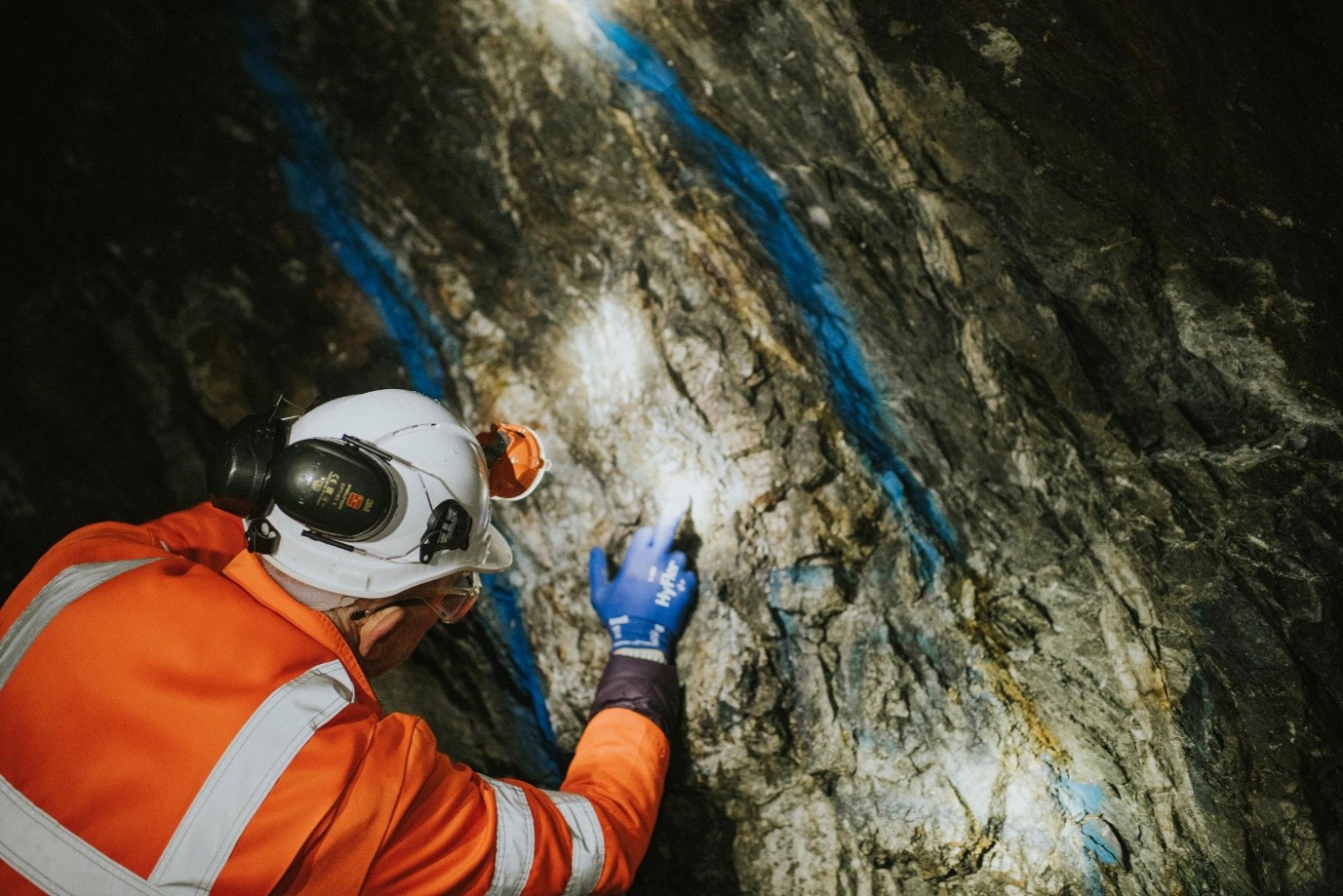
At Dalradian, we have been exploring for minerals in Northern Ireland since late 2009. During that time, we have discovered a major deposit at Curraghinalt in County Tyrone of gold, silver, and copper, along with smaller amounts of critical minerals such as tellurium, antimony, bismuth, molybdenum and cobalt.
What are Critical Minerals?
In simple terms, critical minerals are materials that are essential to the economy and modern technologies but are at risk of supply disruption. This risk can arise because production is concentrated in only a few countries, or because demand is rising faster than supply. A mineral does not have to be rare to be considered critical; it is the combination of how important it is and how vulnerable its supply chain may be that matters.
The idea of “critical” minerals is not new, but what is considered critical has evolved over time. As society changes, so do the materials we depend on. While gold has long been valued, minerals such as tellurium and antimony have become increasingly important because of their role in clean energy, electronics and advanced manufacturing. These are the materials that enable solar panels, energy-efficient technologies and digital devices to function.
The UK’s Updated Critical Minerals Strategy
Recognising the growing importance of these materials, the UK government updated its Critical Minerals Strategy in 2025. The strategy is based on analysis by the UK’s Critical Minerals Intelligence Centre and identifies 34 minerals considered essential for economic security, particularly for sectors such as net-zero technologies, defence and advanced manufacturing.
The UK currently relies heavily on imports for many of these materials, leaving key industries exposed to global supply disruptions and price volatility. To address this, the strategy aims to strengthen supply chains and support responsible domestic production.
The mining sector contributes almost £1.8 billion to the UK economy and supports more than 50,000 jobs, yet only a small proportion of domestic demand is met from UK sources.
The new strategy aims to tackle this shortfall by increasing the amount of critical minerals produced domestically so that around 10% of the UK’s demand can be met from UK sources by 2035. The government has also committed £50 million in funding to help develop the sector.
The updated list confirms that minerals such as tellurium, antimony and bismuth remain strategically important due to their role in net-zero technologies, industry and defence.
The strategy also highlights copper as a key growth mineral, reflecting its essential role in electrification, renewable energy systems and electrical infrastructure. Global demand for copper is expected to rise sharply in the coming decades as countries expand renewable power and electric vehicle networks. Building local supply chains is becoming a national priority. It is not just about economics; it’s about strengthening resilience and securing the materials that underpin modern life.
A Global Race to Secure Critical Minerals
The UK is not alone in recognising the strategic importance of these resources. Governments around the world are taking action to strengthen their supply chains.
In the United States, a 2025 Executive Order prioritised strengthening the domestic minerals supply chain to support national security and technology development. The order aims to accelerate investment in mining projects, streamline permitting for priority projects on federal lands and expand the definition of critical minerals.
Later in 2025, the United States updated its critical minerals list to include 60 materials, with copper and silver added due to their importance to energy systems and advanced technologies.
In October 2025, the Orion Critical Minerals Consortium was launched through a partnership between the US government’s International Development Finance Corporation and Orion Resource Partners (Dalradian’s majority owner). The initiative aims to create a multi-billion-dollar investment platform supporting critical mineral development projects around the world.
Meanwhile, the European Union has also taken major steps through the Critical Raw Materials Act (CRMA), launched in 2024. The Act aims to reduce Europe’s reliance on external suppliers and secure sustainable supplies of key resources such as lithium, copper and rare earth elements.
A key feature of the CRMA is the creation of “strategic projects”, which receive priority status and accelerated permitting decisions within 24 months. By streamlining regulations, the EU hopes to speed up the development of projects that can support renewable energy infrastructure, electric vehicles and other key industries.
Together, these policies highlight a growing global effort to secure reliable supplies of the minerals that power modern economies.
The role of Curraghinalt
Mid-Tyrone has been identified by the British Geological Survey as one of the UK’s most promising sources of critical minerals, including tellurium and antimony, both of which appear on the UK’s critical minerals list.

Further research at Curraghinalt has confirmed the presence of several of these strategically important minerals, with further work required to understand their full potential. At mines around the world, critical minerals are typically recovered alongside primary metals like gold, silver, and copper, rather than being mined on their own.
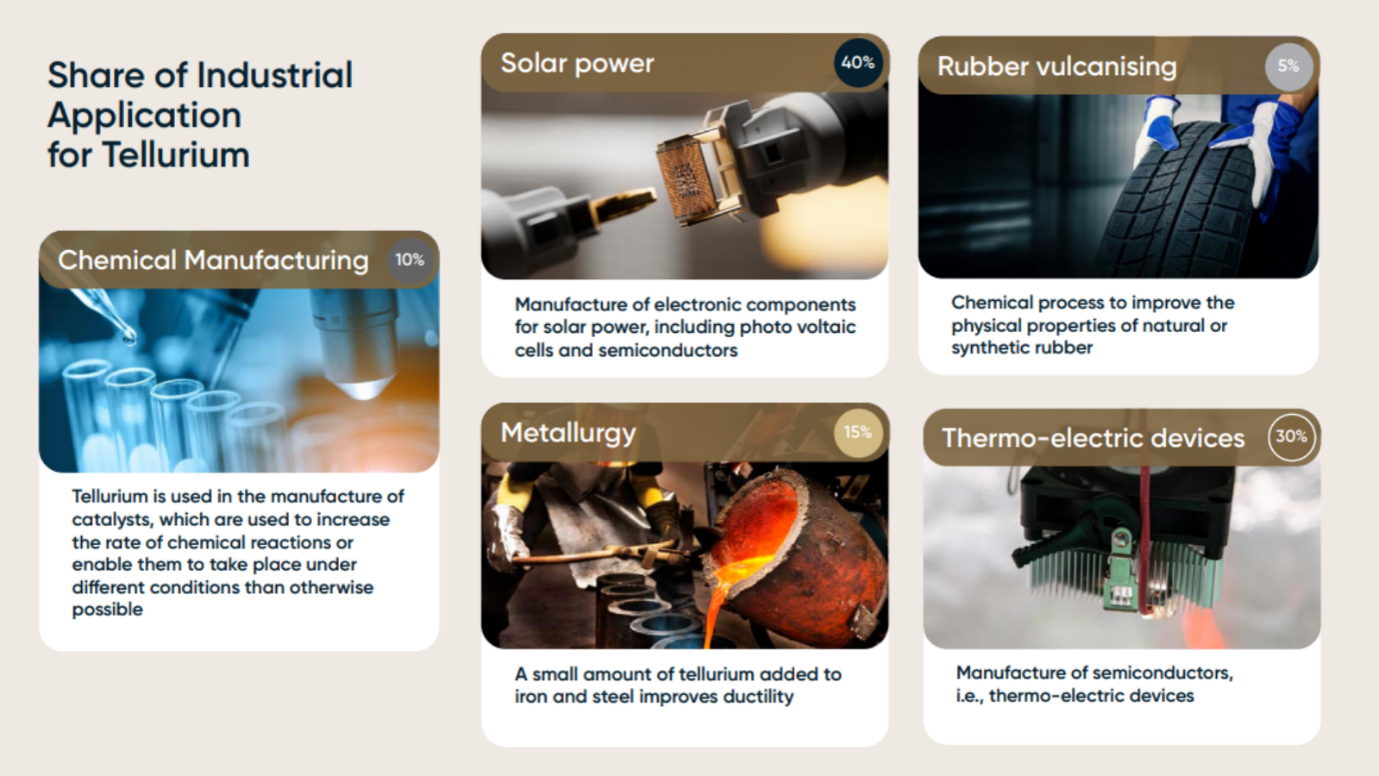
Each of the critical minerals found at Curraghinalt plays an important role in modern life. Tellurium is used in solar panels and advanced electronics; antimony is essential for fire-retardant materials and energy storage; bismuth is widely used in medical applications and low-toxicity alloys; molybdenum strengthens steel used in infrastructure, transport and renewable energy; and cobalt is a key component in rechargeable batteries for electric vehicles and electronic devices.
The Curraghinalt deposit alone contains enough tellurium to meet the UK’s needs for the next 20 years, supporting industries worth more than £14 billion to the UK economy each year.
Supporting the Future Economy
Modern mining today is about far more than extraction. It supports wider national goals such as reaching net-zero emissions by 2050, strengthening domestic industries, creating skilled jobs and supporting local economies.
Modern mining projects in the UK have the potential to contribute to all of these ambitions. By helping supply critical minerals domestically, they can reduce reliance on imports while supporting innovation, renewable energy and the technologies that power modern life.
As demand for these materials continues to grow, developing secure and responsible sources of supply will play an increasingly important role in shaping a resilient and prosperous future.


Your support matters
Support our plans to create jobs, strengthen the local community and respect the environment. The Department for Infrastructure will take your views into account. Help make our plans a reality.
Your letter of support will be sent directly to the Department for Infrastructure. Dalradian will not see your letter, nor any of your details.
Great things can happen with your support
Support our plans to create jobs, strengthen the local community and respect the environment. The Department for Infrastructure will take your views into account. Help make our plans a reality.
Customise a letter of support in two simple steps:
Provide your personal details
This will signal your support to the Department for Infrastructure. You can choose to keep these details private.
Tell the Department for Infrastructure why you support the project
Please tick all the elements you like about the proposed project.
Dalradian will not see your letter, nor any of your details. Your letter of support will be sent directly to the Department for Infrastructure